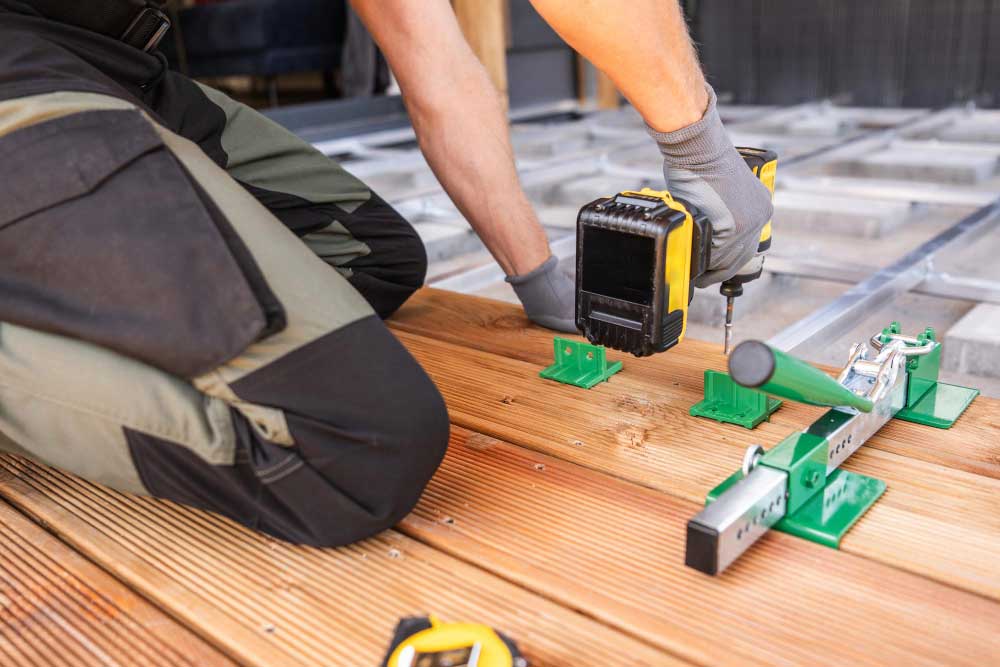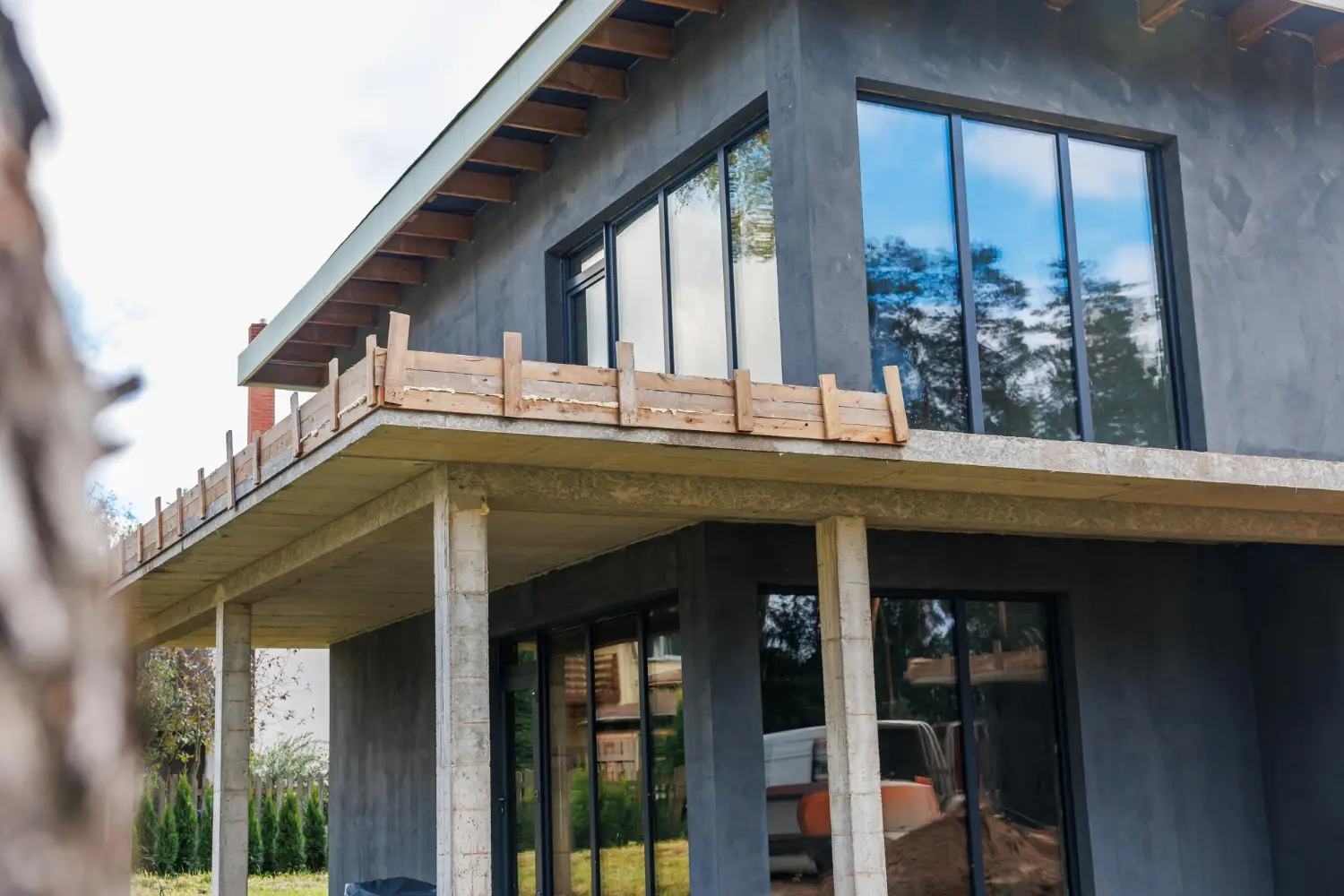
A well-designed deck can transform your backyard into a comfortable outdoor living space. Whether you envision a quiet place to enjoy your morning coffee, an outdoor dining area, or additional room for entertaining family and friends, building a deck is a practical way to make better use of your property.
For homeowners considering deck construction in Fairfax, VA, planning involves more than choosing a design. Local building requirements, material selection, maintenance, and the layout of your property can all influence the finished project.
Before building a new deck or replacing an existing one, here are seven important factors to consider.
Decide How You Want to Use Your Deck
The first step in planning a deck is determining how you want to use your outdoor space.
Some homeowners prefer a simple deck with enough room for a small table and chairs. Others envision a larger outdoor living area with separate spaces for dining, relaxing, and entertaining.
Consider the activities you want your deck to accommodate:
- Outdoor dining and family gatherings.
- Relaxing or reading in a comfortable seating area.
- Entertaining friends and neighbors.
- Creating a convenient connection between your home and backyard.
- Adding space for outdoor furniture and other amenities.
Your intended use will help determine the deck’s size, layout, location, and accessibility.
It’s also important to think about how the new structure will connect to your home’s existing doors, windows, and outdoor areas.
A thoughtfully planned deck should feel like a natural extension of your living space rather than a separate structure.
Understand Deck Permit Requirements in Fairfax County
Before starting deck construction in Fairfax County, it’s important to understand the applicable building and zoning requirements.
Fairfax County generally requires a building permit for new residential decks. The project may also need to comply with zoning rules governing setbacks, property boundaries, and other site-specific conditions.
Depending on the design, additional requirements may apply to structural connections, footings, stairs, railings, and inspections.
Homeowners should also determine whether their property is subject to homeowners association guidelines that could affect the deck’s appearance, dimensions, or location.
If your home is located within the independent City of Fairfax rather than Fairfax County, different permitting procedures apply.
You can review official requirements through Fairfax County Land Development Services.
Understanding these requirements before construction begins can help you plan a deck that meets local regulations and suits your property.
Choose the Right Decking Material
Material selection is one of the most important decisions when building a deck in Northern Virginia.
The region experiences hot, humid summers, cold winters, and seasonal changes that can affect outdoor structures. Choosing materials suited to these conditions can help maintain your deck’s appearance and performance over time.
Pressure-Treated Wood
Pressure-treated lumber is a common option for residential decks. It offers a traditional wood appearance and is often selected for its accessibility and versatility.
However, wood decking requires periodic maintenance, including cleaning and appropriate protective treatments, to help manage weathering and moisture exposure.
Composite Decking
Composite decking is another popular option for homeowners who prefer a lower-maintenance surface.
Available in a variety of colors and finishes, composite boards can provide the appearance of wood without the same routine staining requirements.
Different products have different performance characteristics, so it’s worth comparing their appearance, installation requirements, warranties, and care instructions.
Other Material Considerations
Beyond the decking boards, consider the materials used for railings, stairs, framing, and other structural components.
Your selection should balance appearance, durability, maintenance expectations, and compatibility with the overall deck design.
Consider Sun Exposure, Shade, and Privacy
A deck’s location can make a significant difference in how comfortable it feels throughout the day.
Before finalizing the layout, observe how sunlight moves across your backyard. An area that feels pleasant in the morning may receive intense afternoon sun during the summer.
Depending on your property’s orientation and landscaping, you may want to incorporate shade or position the deck where existing trees provide some protection from direct sunlight.
Privacy is another important consideration, particularly in established Fairfax neighborhoods where neighboring homes may be relatively close together.
Railings, landscaping, and the deck’s orientation can influence how private the space feels.
It’s also helpful to think about the view from inside your home. A well-positioned deck can improve the visual connection between your indoor and outdoor living areas.
Plan for Safety and Accessibility
A deck should be designed for comfortable everyday use while meeting applicable safety requirements.
The deck’s height, structural support, stair placement, and railing configuration all influence its design.
If your deck will connect an elevated entrance to the backyard, consider how frequently family members and guests will use the stairs.
Convenient access to the kitchen or living room may be particularly valuable if you plan to use the deck for outdoor dining and entertaining.
For households with children, older adults, or family members with mobility considerations, discuss accessibility needs during the planning stage.
Properly designed stairs, secure railings, and a practical layout can make your outdoor space more comfortable for everyone.
Think About Maintenance Before Construction
Every outdoor structure requires some level of maintenance, but the amount of upkeep varies depending on the materials and design.
Wood decks generally require more frequent attention to preserve their appearance and protect exposed surfaces.
Composite decking typically requires less routine maintenance, although periodic cleaning and inspections are still important.
Regardless of the material, keeping the deck clear of accumulated debris and checking for signs of wear can help you identify maintenance needs.
Drainage is another factor worth considering. Water should be able to move away from the structure rather than accumulate around critical components.
When comparing materials, think about how much time you want to spend maintaining your deck in the years ahead.
Choosing a design and materials that match your maintenance preferences can make the finished space more enjoyable.
Make Your Deck Complement Your Home
A deck should enhance your home’s architecture and create a cohesive connection with the surrounding landscape.
Consider how its color, proportions, railings, and overall design will relate to your home’s exterior.
A traditional house may benefit from a classic deck design, while a contemporary property might suit clean lines and a more minimalist appearance.
The relationship between the deck and the backyard is equally important. Think about how people will move between the house, deck, lawn, and other outdoor areas.
If you anticipate future landscaping improvements or additional outdoor features, consider how the deck could fit into those plans.
Thoughtful design can create an inviting outdoor space that feels integrated with your home and property.
Planning Your New Deck in Fairfax, Virginia
Building a deck is an opportunity to extend your living space and create an outdoor area suited to your lifestyle.
From selecting materials and evaluating your backyard to understanding local permit requirements, careful planning can help you make informed decisions throughout the project.
At Skylight Builders Corp., we specialize in residential construction, home additions, and decks in Fairfax, Virginia, and surrounding areas. We focus on quality craftsmanship and outdoor spaces designed around each homeowner’s needs.
Whether you’re planning a new deck or considering improvements to an existing outdoor area, the right design begins with understanding your property, priorities, and long-term goals.